
Therapy Frequency Advisor
Recommended Frequency
Answer the questions and click "Get Recommendation" to see your personalized therapy frequency advice.
When you start seeing a therapist, one of the first questions that pops up is usually about logistics: How often should we meet? The standard answer in most clinics and private practices is weekly therapy. It’s the default setting for psychotherapy, which involves regular, structured conversations with a licensed mental health professional to address emotional, psychological, or behavioral issues. But as life gets busier and bills get higher, many people wonder if this pace is actually necessary. Is therapy once a week too much? Or is it just enough?
The truth is, there’s no single right answer. Weekly sessions work wonders for some, while others find them redundant or financially draining after a few months. To figure out what works for you, we need to look at how therapy actually changes your brain, what different stages of healing require, and whether spacing out sessions helps or hurts your progress.
Why Weekly Sessions Are the Standard
You might be wondering why every therapist seems to push for a weekly slot. It’s not just about filling their calendar. There’s solid clinical reasoning behind it. When you’re dealing with active symptoms-like panic attacks, severe depression, or acute anxiety-consistency matters more than intensity.
Cognitive Behavioral Therapy (CBT), a structured, time-limited form of psychotherapy that focuses on identifying and changing negative thought patterns and behaviors relies heavily on homework and practice. If you wait three weeks between sessions, you might forget the coping strategies you learned last time. You lose momentum. The therapeutic alliance-that bond of trust and understanding between you and your therapist-needs regular reinforcement to stay strong.
Think of it like learning a new language. If you study Spanish for an hour every day, you’ll retain far more than if you cram for ten hours once a month. Therapy is similar. Weekly meetings keep the insights fresh and allow your therapist to adjust their approach based on your immediate experiences.
- Momentum: Regular sessions prevent regression into old habits.
- Accountability: Knowing you have a session next Tuesday keeps you honest about practicing skills.
- Safety Net: For those in crisis, weekly contact provides a crucial check-in point.
When Weekly Therapy Might Be "Too Much" For You
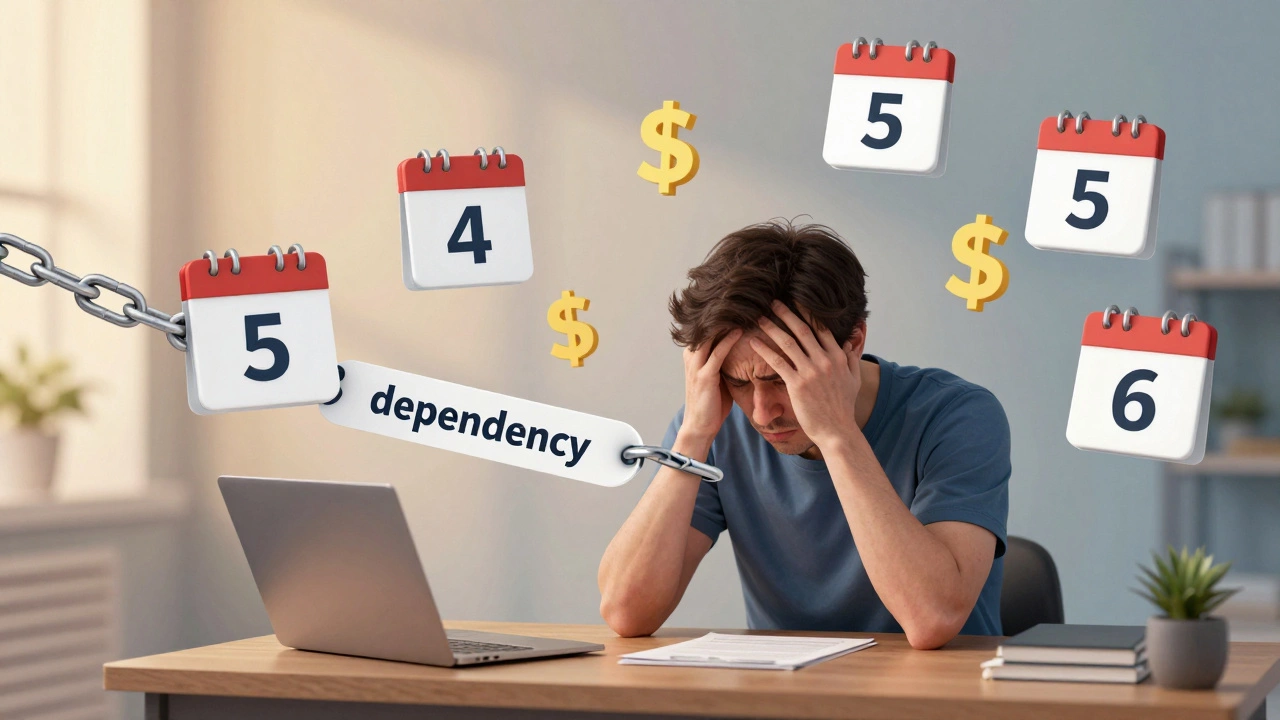
While weekly therapy is effective, it isn’t always sustainable or necessary for everyone. Sometimes, sticking rigidly to a weekly schedule can actually create dependency or financial stress that outweighs the benefits. Here are signs that weekly sessions might be overkill for your current situation.
1. Financial Strain Let’s be real: therapy is expensive. In many places, including India where costs vary widely depending on the city and specialist, paying for weekly sessions out-of-pocket can eat up a significant portion of your budget. If you’re stressing about money because of therapy, that stress itself becomes a barrier to healing. If you’re stable, switching to bi-weekly (every two weeks) can ease this burden without losing ground.
2. Plateauing Progress Have you noticed that you’re not really uncovering new material anymore? You feel good, you’ve mastered your coping mechanisms, and you’re mostly using sessions to catch up on life updates rather than deep psychological work. This is often called the "maintenance phase." At this stage, weekly therapy might feel like overkill. You don’t need a drill sergeant; you need a coach who checks in occasionally.
3. High Self-Regulation Skills If you’ve been in therapy for a long time, you likely have a robust toolkit. You know how to meditate, journal, challenge negative thoughts, and reach out to friends when you’re down. If you can manage your emotions effectively between sessions, you might not need the external structure of a weekly appointment.
The Case for Bi-Weekly or Monthly Sessions
If weekly therapy feels like too much, does that mean you should stop entirely? Not necessarily. Many therapists support tapering off to less frequent sessions. This is often referred to as "open-ended maintenance" or "booster sessions."
Bi-weekly therapy, attending therapy sessions every two weeks instead of weekly offers a middle ground. It gives you enough time to test new behaviors in the real world without forgetting the lessons. It’s particularly useful for:
- Long-term growth: Working on personality traits or deep-seated patterns takes years, not weeks. You don’t need constant supervision for this.
- Life transitions: Maybe you’re starting a new job or going through a breakup. You might want to bump up from monthly to bi-weekly during these high-stress periods, then scale back down later.
- Budget management: As mentioned, cutting frequency by half cuts cost by half.
Some people even move to monthly sessions once they feel solid. These act like tune-ups for your mental health. You discuss any emerging issues, reinforce positive habits, and plan for the month ahead. It’s proactive rather than reactive.
How to Decide What’s Right for You
So, how do you know if you should stick with weekly, switch to bi-weekly, or take a break? It’s not a decision you make alone. It’s a collaborative process with your therapist. Here’s a practical framework to help you evaluate your needs.
| Frequency | Best For | Pros | Cons |
|---|---|---|---|
| Weekly | Acute crises, initial diagnosis, intensive skill-building (e.g., CBT, DBT) | High accountability, rapid progress, strong therapeutic alliance | Expensive, time-consuming, risk of dependency |
| Bi-Weekly | Maintenance, steady progress, working on long-term goals | Balanced cost, allows for real-world practice, flexible | Slower progress, requires high self-discipline |
| Monthly | Check-ins, prevention, minor adjustments | Low cost, low time commitment, proactive | Risk of slipping into old patterns, less support during crises |
To make your decision, ask yourself these questions:
- What is my current stress level? If you’re in survival mode, weekly support is likely essential. If you’re thriving, you might not need it.
- Am I doing the work between sessions? If you’re actively journaling, practicing mindfulness, or applying techniques daily, you might be ready to space out sessions.
- Do I feel anxious before sessions? A little nervousness is normal. But if you dread the session or feel dependent on it for validation, it might be time to talk about tapering off.
- Can I afford it? Financial stress undermines mental health. If therapy is causing debt, it’s counterproductive.
Discuss this openly with your therapist. A good therapist will want you to become independent. They won’t hold onto you because they miss your company; they’ll help you build the resilience to stand on your own.
Navigating the Conversation With Your Therapist
Bringing up frequency changes can feel awkward. You might worry that your therapist will think you’re giving up or that you’re criticizing their work. But remember, therapy is *your* tool. You’re the client. You have the right to adjust the dosage just like you would with medication.
Here’s how to frame the conversation:
- Be specific: Instead of saying "I want to stop," say "I feel like I’m making good progress, and I’d like to try bi-weekly sessions for the next month to see how I handle things independently."
- Acknowledge the benefit: Start by thanking them for the support so far. "The tools we’ve worked on have really helped me manage my anxiety."
- Propose a trial period: Suggest trying a lower frequency for 4-6 weeks. If you struggle, you can always go back to weekly. This reduces the pressure of making a permanent decision.
If your therapist pushes back hard without valid clinical reasons, it might be worth seeking a second opinion. However, most ethical professionals will support your autonomy and help you transition smoothly.

Alternatives to Traditional Weekly Therapy
If weekly therapy feels too intense or expensive, but you still want support, consider these alternatives:
- Group Therapy: Often cheaper than individual sessions and provides peer support. You learn from others’ experiences and gain perspective.
- Online Therapy Platforms: Services like BetterHelp or Talkspace offer messaging-based therapy, which can be more flexible and sometimes more affordable. You can communicate asynchronously, fitting therapy into your schedule.
- Self-Help Resources: Workbooks, apps (like Headspace or Calm), and online courses can supplement or replace formal therapy for mild issues. Cognitive Behavioral Therapy workbooks are particularly effective for self-guided practice.
- Peer Support Groups: Free or low-cost groups focused on specific issues (anxiety, addiction, grief) provide community and shared experience without the cost of a licensed therapist.
These options aren’t always perfect substitutes for deep, personalized psychotherapy, but they can fill the gap when you step away from weekly sessions.
Signs You Should Stay With Weekly Therapy
Before you cut back, make sure you’re not skipping important steps. Some situations demand consistent, weekly attention. Don’t rush out of therapy if:
- You’re in Crisis: Recent trauma, suicidal thoughts, or severe depressive episodes require close monitoring.
- You Have Complex Trauma: Processing deep childhood wounds or PTSD takes time and safety. Rushing this can lead to re-traumatization.
- You’re Just Starting: The first 8-12 weeks are crucial for building rapport and establishing baseline patterns. Cutting back too early can derail progress.
- You Feel Unstable: If your mood swings wildly or you lack basic coping skills, weekly support acts as a stabilizer.
In these cases, "too much" therapy is rarely the problem. The issue is usually insufficient support. Listen to your body and mind. If you feel raw, vulnerable, or overwhelmed, keep the weekly rhythm.
Final Thoughts on Finding Your Balance
Is therapy once a week too much? For someone in the thick of a mental health battle, absolutely not. It’s a lifeline. For someone who has healed, grown, and stabilized, it might be unnecessary overhead. The key is flexibility. Therapy isn’t a static prescription; it’s a dynamic relationship that evolves with your needs.
Don’t let guilt or fear dictate your schedule. Let your actual progress, financial reality, and emotional state guide you. Whether you choose weekly, bi-weekly, or monthly, the goal remains the same: to live a healthier, happier, and more authentic life. Trust yourself to know when you’re ready to fly solo, and trust your therapist to help you prepare for that flight.
Is it okay to skip therapy sessions?
Occasionally missing a session due to illness or emergency is fine. However, regularly skipping sessions without discussing it with your therapist can hinder progress. It’s better to reschedule or discuss pausing therapy formally rather than ghosting your appointments.
How long does therapy usually last?
Short-term therapy, like CBT, often lasts 12-20 sessions. Long-term psychodynamic therapy can continue for months or years. The duration depends on your goals, the complexity of your issues, and your rate of progress.
Can I change therapists if I don’t like the weekly schedule?
Yes. If a therapist insists on weekly sessions despite your preference for less frequent visits, and you feel your needs aren’t being met, it’s reasonable to seek a therapist who aligns better with your goals and budget.
Does insurance cover bi-weekly therapy?
Most insurance plans cover therapy regardless of frequency, as long as it’s deemed medically necessary. Check with your provider for specific limits on session numbers per year or required pre-authorizations.
What should I do between therapy sessions?
Practice the skills learned in therapy. This might include journaling, mindfulness exercises, challenging negative thoughts, or engaging in healthy activities. Consistent practice between sessions reinforces the work done in therapy.