Sperm Retrieval Pain & Recovery Calculator
Calculate Your Experience
Based on data from 2024 European fertility studies and real patient experiences, estimate your expected pain level and recovery timeline for sperm retrieval procedures.
When you’re going through IVF and your doctor suggests sperm retrieval, the first question that pops up isn’t about success rates or costs-it’s how painful is sperm retrieval? The answer isn’t simple, but it’s far less scary than most people imagine.
It’s not surgery like you think
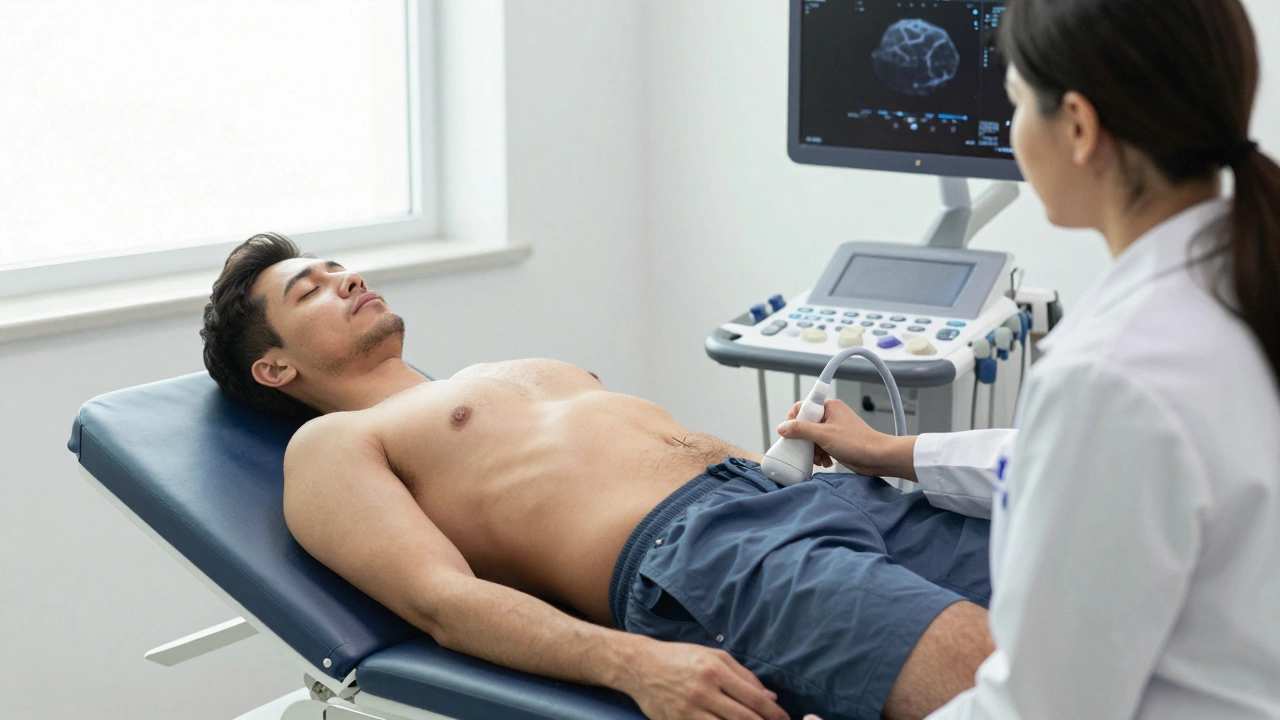
People hear "sperm retrieval" and picture open surgery, scalpels, and long recovery. That’s not what most men go through. The majority of procedures-like PESA, MESA, or even TESE-are done with tiny needles or small incisions, often under local anesthesia or light sedation. You’re awake, but you won’t feel sharp pain. At most, you’ll feel pressure, a brief pinch, or a dull ache.In Bangalore, clinics like the ones at Manipal Hospital or Cloudnine use ultrasound-guided needles for PESA (Percutaneous Epididymal Sperm Aspiration). The needle goes through the skin, just below the scrotum, and into the epididymis. It takes less than 15 minutes. Most men say it feels like a strong mosquito bite or a quick, deep prick. No cutting. No stitches.
What about TESE and micro-TESE?
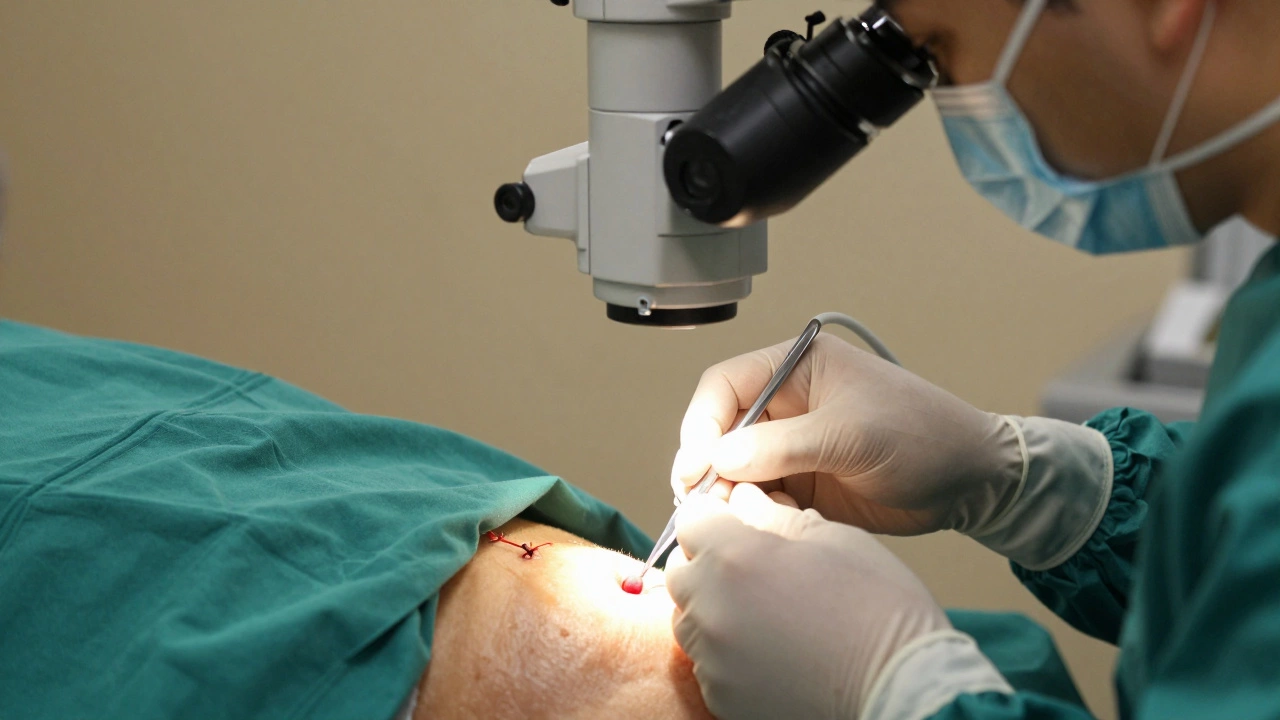
If sperm isn’t found in the epididymis, the next step is TESE (Testicular Sperm Extraction). This is slightly more involved. A small cut-about 1 to 2 cm-is made in the scrotum. Then, tiny pieces of testicular tissue are removed. In micro-TESE, the surgeon uses a microscope to find the one or two tubules that might be producing sperm. It’s precise, not brute force.Local anesthesia numbs the area completely. You might feel tugging or pulling, but not pain. One patient I spoke with in Bangalore described it as "like someone squeezing your testicle with a firm hand for a minute." Afterward, the incision is closed with one or two dissolvable stitches. No bandage needed beyond a snug jockstrap.
Recovery isn’t what you fear
The biggest myth? That you’ll be out of commission for days. Most men go home the same day. You’ll feel sore for 24 to 48 hours-like you’ve done a heavy workout. Swelling and bruising are common, but not severe. Ice packs help. Over-the-counter painkillers like paracetamol are usually enough.One man I met at a fertility support group in Koramangala said he took the day off work, wore loose pants, and slept on his back. By day three, he was walking his dog. By day five, he was back at his desk job. No one could tell he’d had a procedure.
What about sedation? Are you asleep?
It depends on your comfort level and the clinic’s protocol. Many centers offer local anesthesia only. Others give you twilight sedation-you’re relaxed, drowsy, and might remember bits of the procedure, but you won’t feel pain. General anesthesia is rare unless you’re having multiple procedures at once or have severe anxiety.One study from the European Society of Human Reproduction and Embryology (2024) found that 87% of men who had PESA or TESE under local anesthesia reported pain levels of 2 or 3 out of 10. Only 4% said it was 7 or higher. Most said they’d do it again without hesitation.
Why does pain matter?
It’s not just about discomfort-it’s about timing. If you’re afraid of pain, you might delay or avoid the procedure. That’s the real risk. Delayed sperm retrieval can mean missed IVF cycles, added stress, and higher costs. The procedure is quick, safe, and well-tolerated. The emotional toll of infertility is often worse than the physical part.Many men worry about long-term effects: "Will this hurt my sex life?" "Will I lose sensation?" The answer is no. Sperm retrieval doesn’t affect testosterone, erections, or orgasm. The testicles make millions of sperm every day. Removing a small amount doesn’t change anything long-term.
What if you’re really nervous?
Talk to your doctor. Ask for a pre-procedure consultation where you can see the equipment, ask questions, and even meet the anesthesiologist. Some clinics offer guided breathing sessions or play calming music during the procedure. Others let your partner stay in the room.One clinic in Bangalore, Fertility Plus, lets men listen to their favorite playlist during PESA. One patient said hearing his daughter’s favorite song made him feel like he was in a different world. That’s not just distraction-it’s emotional support.

What’s the alternative if you can’t handle it?
If you truly can’t tolerate even the idea of the procedure, there are options. Some couples use donor sperm. Others try to collect sperm naturally through masturbation on the day of egg retrieval. But if there’s a blockage, low count, or no sperm in the ejaculate, retrieval is the only way to use your own sperm in IVF.Don’t let fear of pain stop you from using your own genetic material. The discomfort is brief. The outcome-having a child who carries your DNA-is permanent.
Real stories, real results
Rahul, 36, had a blocked vas deferens after a childhood infection. He was terrified of the needle. He scheduled the procedure for a Friday. Got home by noon. Watched a movie with his wife that night. By Monday, he was back at his engineering job. Three months later, his wife got pregnant. Their son was born in November 2025.Sameer, 41, had non-obstructive azoospermia. His doctor recommended micro-TESE. He was anxious for weeks. But after the procedure, he said: "I was bracing for something terrible. It was over before I could panic. I didn’t even cry out. I just felt relieved."
Bottom line: It’s manageable
Sperm retrieval isn’t fun. But it’s not torture. It’s a short, safe, outpatient procedure. Pain is mild and brief. Recovery is quick. The emotional weight of infertility is heavier than the physical discomfort.If you’re considering IVF and your doctor says you need sperm retrieval, ask for details-not just about success rates, but about what it feels like. Most men are surprised by how easy it is. And when they hold their baby? They never think twice about the needle.
Is sperm retrieval done under general anesthesia?
Most sperm retrievals use local anesthesia or light sedation. General anesthesia is rare and only used if the patient has extreme anxiety, multiple procedures are planned, or there are medical reasons. The majority of men stay awake but feel no pain.
How long does the procedure take?
PESA and MESA usually take 10 to 15 minutes. TESE and micro-TESE can take 30 to 60 minutes, depending on complexity. You’ll be in and out of the clinic within a few hours.
Will I need time off work?
Most men take the day of the procedure off. Many return to desk jobs the next day. Avoid heavy lifting or intense exercise for 3 to 5 days. Swelling and mild soreness are normal but should fade quickly.
Does sperm retrieval affect sexual function?
No. Sperm retrieval doesn’t impact testosterone levels, erections, or orgasm. The testicles continue producing sperm normally. You can resume sex within a week, as long as you’re not in pain.
Can I collect sperm naturally instead?
Yes-if sperm is present in your ejaculate. But if you have no sperm in your semen (azoospermia), natural collection won’t work. That’s when retrieval becomes necessary. Your doctor will test your semen first to confirm.
Is there a chance the procedure won’t find sperm?
Yes, especially with non-obstructive azoospermia. In micro-TESE, success rates range from 40% to 60% depending on the cause. Even if sperm isn’t found the first time, some clinics offer a second attempt. Your doctor will explain your odds based on your specific diagnosis.