
Herbal Supplement Quality Checker
Use this tool to audit a specific bottle or brand. Check off the attributes that match your product to receive a quality score and recommendation.
Start Checking
Select the checkboxes on the left to evaluate the supplement's quality score.
Key Takeaways from the Article:
- Look for Batch Numbers: Essential for traceability and accountability.
- Avoid "Proprietary Blends": If exact milligrams aren't listed, you might be paying for fillers.
- Bioavailability Matters: For turmeric, ensure it contains black pepper extract (Piperine) or uses liposomal delivery.
- Heavy Metals: Especially in Ayurvedic preparations, verify third-party testing for lead and mercury.
- Consult Your Doctor: Natural does not mean safe; herbs can interact with prescription medications.
You walk into a pharmacy or scroll through an online store, and suddenly you are drowning in bottles. Turmeric capsules here, Ashwagandha gummies there, and that mysterious "Immunity Boost" blend that costs more than your lunch. The question isn't just whether herbal supplements work; it is which ones won't waste your money or, worse, harm your health. With the global market flooded with options, finding a brand that actually delivers what the label promises is like finding a needle in a haystack of marketing hype.
Here is the hard truth: the supplement industry is loosely regulated in many parts of the world, including India and the US. This means a bottle labeled "100% Organic Ashwagandha" might contain fillers, heavy metals, or barely any active ingredients. So, how do you cut through the noise? You don't look at the logo. You look at the testing. You look at the sourcing. And you look at the brand's history of transparency.
The Trust Factor: Why Brand Reputation Matters
When we talk about herbal supplements, we aren't just talking about dried plants in a capsule. We are talking about complex biological compounds that interact with your body's chemistry. If the extraction method is poor, the bioavailability drops to zero. You might as well be eating dirt.
Reputable brands earn their status by doing the boring stuff right. They test every batch for purity. They disclose where their herbs come from. They use standardized extracts, meaning they guarantee a specific percentage of the active compound (like curcumin in turmeric or withanolides in ashwagandha). If a brand can't tell you exactly what is inside their pill, walk away.
| Brand | Primary Focus | Certification Standard | Price Range | Best For |
|---|---|---|---|---|
| Himalaya Wellness | Ayurvedic & Herbal | GMP Certified, ISO 9001 | $$ | Daily wellness, digestive health |
| Patanjali Ayurved | Traditional Ayurveda | GMP Certified | $ | Budget-friendly basics, immunity |
| Dabur | Herbal Healthcare | GMP Certified | $$ | Chyawanprash, oral care, general tonic |
| Organic India | Organic Herbs | USDA Organic, Non-GMO | $$$ | Purity-conscious consumers, teas |
| Garden of Life | Whole Food Vitamins | NSF Certified, USDA Organic | $$$ | Probiotics, plant-based proteins |
Top Contenders in the Indian Market
If you live in Bangalore or anywhere else in India, you have access to some of the most established names in traditional medicine. But being big doesn't always mean being the best fit for your specific needs.
Himalaya Wellness has been around since 1930, founded by M. Manal. Their strength lies in scientific validation. They don't just rely on ancient texts; they run clinical trials. For example, their Liv.52 formula for liver health is one of the most studied herbal formulations globally. If you want something backed by data rather than just tradition, Himalaya is a safe bet. Their products are widely available in pharmacies across Karnataka and beyond.
Patanjali Ayurved took the market by storm with its aggressive pricing and mass-market appeal. Founded by Baba Ramdev, Patanjali focuses on making Ayurveda accessible. While their quality control has faced scrutiny in the past, their recent investments in infrastructure have improved consistency. They are excellent for basic staples like Triphala powder or Giloy tablets, especially if you are watching your budget. However, for specialized conditions, you might need a more targeted approach.
Dabur is another giant, known particularly for Chyawanprash. If you grew up in India, you likely had a spoonful of this every winter. Dabur’s advantage is their massive supply chain and quality assurance protocols. They source directly from farmers, which reduces the risk of adulteration. For general immunity and respiratory health, Dabur remains a household name for a reason.
The Global Standards: When to Look Beyond Local Brands
Sometimes, local brands don't offer the specific formulation you need. Maybe you want a high-potency Ashwagandha extract standardized to 5% withanolides, or perhaps you prefer a vegan capsule shell. This is where international brands enter the picture.
Organic India is a standout for those who prioritize organic certification. Based in Canada but deeply rooted in Indian sourcing, they ensure that no synthetic pesticides touch their herbs. Their Tulsi tea and Ashwagandha capsules are popular among yoga practitioners worldwide. The price tag is higher, but you are paying for the guarantee of purity. If you are sensitive to chemicals or have autoimmune issues, this level of cleanliness matters.
Garden of Life operates on a different philosophy: whole-food nutrition. Instead of isolating single compounds, they blend vitamins with probiotics and enzymes derived from fruits and vegetables. Their multivitamins are often recommended by nutritionists for people who struggle to absorb synthetic pills. It’s not strictly "herbal" in the traditional sense, but it fits the natural wellness bill perfectly.
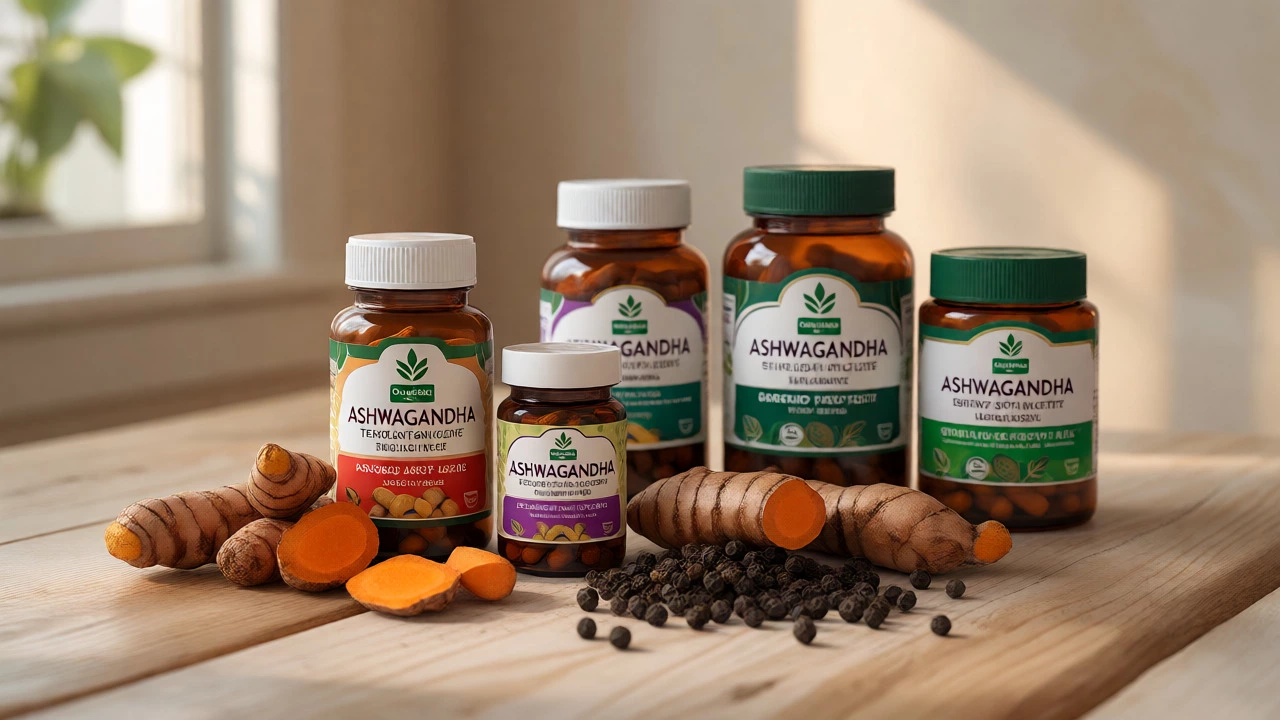
How to Spot a Scam: Red Flags to Watch For
Not all that glitters is gold. In fact, much of it is sawdust painted yellow. Here is how to protect yourself:
- Vague Labeling: If the label says "Proprietary Blend" without listing the exact milligrams of each ingredient, they are hiding something. Usually, it means the cheap filler makes up 90% of the pill.
- Miracle Claims: Does the bottle promise to cure diabetes, cancer, and baldness in two weeks? Run. Real herbs support health; they don't perform magic tricks overnight.
- No Batch Numbers: Reputable manufacturers print batch numbers on every bottle. This allows them to trace the product back to the specific harvest and test results. No batch number? No accountability.
- Heavy Metal Warnings: Some low-cost Ayurvedic preparations, especially those using Bhasmas (calcined ashes), can contain lead or mercury. Always check for third-party lab tests for heavy metals.
Matching the Brand to Your Health Goal
Choosing a brand isn't a one-size-fits-all decision. It depends on what you are trying to fix.
For digestive issues, stick to trusted names like Himalaya or Patanjali. Their Triphala and Digestive Enzymes are time-tested. For stress and anxiety, look for high-quality Ashwagandha from Organic India or a specialized adaptogen brand like Gaia Herbs (if available). Ensure the extract is KSM-66 or Sensoril, which are patented forms with proven efficacy.
If you are dealing with joint pain, Boswellia (Shallaki) is a powerful anti-inflammatory. Brands like Nature’s Bounty or local pharmaceutical-grade Ayurvedic companies often provide better-dosed Boswellia serrata extracts than generic grocery store brands.

The Role of Bioavailability
Here is a secret the marketing teams won't shout about: absorption. You can buy the purest turmeric powder in the world, but if it doesn't cross your intestinal wall, it does nothing. This is why black pepper (piperine) is often added to turmeric supplements. Piperine increases curcumin absorption by up to 2000%.
Check your labels. Does your turmeric supplement include piperine or Bioperine? If not, ask yourself why. Some advanced brands now use liposomal delivery systems, wrapping the herbal extract in fat molecules to bypass digestion barriers. These are expensive but highly effective for critical health needs.
Consult Before You Consume
Just because it comes from a plant doesn't mean it's harmless. St. John's Wort interacts with antidepressants. Ginkgo Biloba thins the blood. If you are on prescription medication, mixing herbal supplements without advice can lead to dangerous side effects.
Always consult your doctor or a qualified Ayurvedic practitioner before starting a new regimen. Bring the bottle with you so they can see the exact dosage and ingredients. It’s a small step that ensures your wellness journey stays on track.
Are herbal supplements safer than pharmaceutical drugs?
Not necessarily. While herbs are natural, they contain potent chemical compounds that can cause side effects or interact with other medications. "Natural" does not automatically mean "safe." Always consult a healthcare provider.
How can I verify if a supplement brand is trustworthy?
Look for third-party certifications like USP, NSF, or GMP (Good Manufacturing Practice). Check if the brand publishes Certificate of Analysis (CoA) documents for their batches, showing purity and potency levels.
Which brand is best for Ashwagandha in India?
Organic India and Himalaya are highly regarded for quality. For premium standardized extracts, look for brands offering KSM-66 Ashwagandha, such as TrueBasics or MuscleBlaze, which often license the patented form.
Do herbal supplements expire?
Yes. Potency decreases over time, especially for oils and extracts. Always check the expiration date. Expired supplements may lose effectiveness and, in rare cases, develop harmful mold or bacteria.
Can I take multiple herbal supplements together?
It depends on the herbs. Some synergize well (like Turmeric and Ginger), while others compete for absorption or amplify effects dangerously (like multiple blood thinners). Start with one supplement to gauge tolerance before adding more.