
Dental Implant Anesthesia Advisor
Answer these questions to find the most suitable comfort level for your upcoming implant surgery.
Recommended Approach:
Consciousness:
Memory:
Recovery Time:
Why this fits:
Important Considerations
Imagine sitting in a dental chair, the hum of instruments around you, wondering if you’re about to drift off into dreamland or stay wide awake while someone works on your jawbone. It’s a common fear, and honestly, a fair question: are you put to sleep for dental implants? The short answer is no, not usually. Most people don’t undergo general anesthesia where you’re fully unconscious like you would be for major surgery. But that doesn’t mean you’ll feel every drill bit and screw turning. The reality is more nuanced, involving a spectrum of comfort options ranging from simple numbing shots to deep relaxation techniques.
Understanding what happens during the procedure can ease anxiety significantly. Dental implant placement is surgical, yes, but it’s often less invasive than patients expect. The goal isn’t to knock you out; it’s to keep you comfortable, safe, and able to communicate with your surgeon. Let’s break down exactly how pain management works for this specific procedure so you know what to expect before you book your appointment.
The Standard Approach: Local Anesthesia
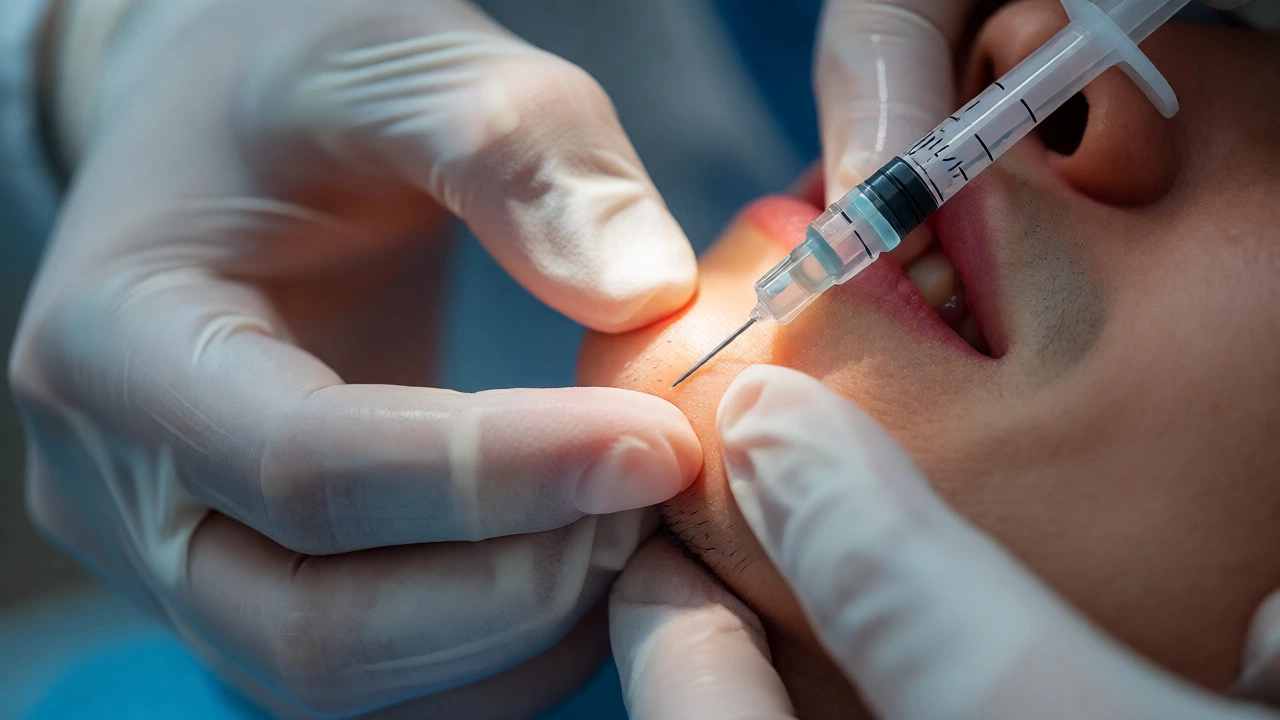
For the vast majority of single-tooth or even multiple-tooth implant cases, local anesthesia is the gold standard. This involves injecting a numbing agent, typically lidocaine or articaine, directly into the gum tissue near the implant site. Think of it as the same process used for filling a cavity, just targeted at the bone area. Once the area is numb, you won’t feel sharp pain. You might feel pressure, vibration, or the sensation of tools moving, but the actual piercing of the gum and drilling into the bone shouldn’t hurt.
Why do dentists prefer this method? It’s safer. General anesthesia carries higher risks, including respiratory issues and longer recovery times. With local anesthesia, you remain conscious. This allows you to respond if something feels off, such as biting down incorrectly or feeling unexpected discomfort. It also means you can drive yourself home afterward, which is a huge convenience factor. If you have low anxiety levels and good pain tolerance, local anesthesia alone is often enough to get through the procedure smoothly.
Sedation Dentistry: The Middle Ground
If the thought of being awake while someone drills into your jaw makes your palms sweat, you’re not alone. This is where sedation dentistry comes in. Sedation doesn’t necessarily mean you’re asleep. Instead, it alters your level of consciousness to reduce anxiety and sometimes create amnesia, meaning you might not remember the details of the procedure. There are different levels of sedation, and choosing the right one depends on your anxiety level and the complexity of your case.
- Nitrous Oxide (Laughing Gas): This is mild sedation. You breathe it in through a mask over your nose. It helps you relax quickly and wears off fast once the gas is turned off. You remain fully conscious and responsive. It’s great for nervous patients who still want to be present.
- Oral Sedation: You take a pill, usually a benzodiazepine like Valium, about an hour before the appointment. This induces a drowsy state. You’re technically awake but very relaxed and likely to forget parts of the experience. You’ll need someone to drive you home.
- IV Sedation: This is deeper sedation administered directly into the vein. It allows the dentist to control the depth of sedation precisely. Many patients fall into a light sleep-like state and wake up with little memory of the procedure. It’s popular for complex cases or highly anxious patients.
With IV sedation, you aren’t "put to sleep" in the hospital sense (general anesthesia), but you are deeply relaxed. Your vital signs are monitored closely throughout. This option bridges the gap between staying awake and being unconscious, offering high comfort without the heavier risks of full general anesthesia.
When Is General Anesthesia Actually Used?
So, when does the scenario of being fully unconscious happen? General anesthesia is reserved for specific situations. It’s rare for routine implants but becomes necessary when the case is extensive. For example, if you’re getting a full mouth reconstruction involving All-on-4 implants, or if you require significant bone grafting alongside implant placement, the procedure time can stretch beyond two or three hours. Staying still and calm for that long under local anesthesia can be tough.
Another reason for general anesthesia is medical necessity. Some patients have special needs, severe gag reflexes, or certain medical conditions that make conscious sedation unsafe or ineffective. In these cases, an oral surgeon or anesthesiologist will manage the airway and breathing while the patient is completely unconscious. Recovery takes longer-you’ll spend time in a recovery room, and you definitely can’t drive yourself home. The cost is also higher due to the involvement of an anesthesiologist and facility fees.
Comparing Your Comfort Options
To help you decide which path fits your personality and medical history, here’s a quick look at how these methods stack up against each other. Remember, your dentist will guide you, but understanding the trade-offs helps you ask better questions.
| Method | Consciousness Level | Memory of Procedure | Recovery Time | Best For |
|---|---|---|---|---|
| Local Anesthesia | Fully Awake | Full Memory | Immediate | Simple implants, low anxiety |
| Nitrous Oxide | Relaxed/Awake | Partial/Full | 15-30 mins | Mild anxiety, short procedures |
| Oral Sedation | Drowsy/Sleepy | Amnesia Common | Rest of day | Moderate anxiety, medium cases |
| IV Sedation | Deep Relaxation/Light Sleep | No Memory | Rest of day + monitoring | High anxiety, complex cases |
| General Anesthesia | Unconscious | No Memory | 24+ hours | Full arch, special needs, long surgeries |
What Happens During the Appointment?
Let’s walk through a typical scenario using local anesthesia with nitrous oxide, a common combo for many patients. First, you arrive and discuss your medical history. The staff checks your blood pressure and heart rate. Then, they place the nasal hood for the laughing gas. Within minutes, you’ll feel a warm, tingling sensation and a sense of detachment from any stress.
Next, the dentist administers the local injection. You might feel a pinch and a brief sting, but the gas helps blunt that initial discomfort. Once the area is numb, the test begins-the dentist touches the gum to ensure you don’t feel sharp sensations. If you’re numb, they proceed. You’ll hear the sounds of the drill and feel pressure as the implant post is screwed into the bone. Because you’re awake, you can raise your hand if you need a break. After the implant is placed and sutured, the gas is turned off. You sit for a few minutes to ensure the dizziness passes, then you’re free to go, perhaps with a slight headache or dry mouth, but otherwise normal.

Post-Procedure Pain: The Real Challenge
Here’s a twist many people miss: the anesthesia wears off. The real test isn’t always the surgery itself, but the next 24 to 72 hours. Even if you were sedated during the implant placement, the trauma to the gums and bone triggers inflammation. You will feel soreness, swelling, and possibly bruising.
This is why managing expectations is key. Being "put to sleep" or sedated doesn’t eliminate post-op pain; it only eliminates intra-operative pain. To handle the aftermath, most dentists prescribe anti-inflammatory medications like ibuprofen or acetaminophen. Ice packs applied to the cheek in intervals (20 minutes on, 20 minutes off) help reduce swelling. Avoiding hot foods and strenuous exercise for the first few days prevents bleeding and throbbing. Knowing this ahead of time helps you prepare your recovery kit-stock up on soft foods like yogurt, smoothies, and mashed potatoes so you’re not scrambling when your jaw feels stiff.
Tips for Choosing the Right Option
How do you decide? Start by being honest with your dentist about your anxiety levels. Do you panic in small spaces? Do you have a strong gag reflex? Have you had bad experiences with dental work in the past? These factors weigh heavily on the recommendation.
- Ask about their protocol: Not all clinics offer IV sedation. Some refer complex cases to oral surgeons. Find out if the provider placing your implant is trained in administering sedation themselves or if they bring in an anesthesiologist.
- Consider the duration: A single implant takes 30-60 minutes. Multiple implants or bone grafts can take 2-4 hours. Longer procedures favor sedation for patient comfort and safety.
- Check insurance coverage: Insurance often covers local anesthesia but may classify sedation as a cosmetic or non-essential add-on. Ask for a breakdown of costs upfront.
- Medical clearance: If you have heart conditions, sleep apnea, or respiratory issues, you might need medical clearance before undergoing sedation. Be transparent about your health history.
Ultimately, the choice is personal. There is no shame in opting for extra sedation to ensure a positive experience. Conversely, if you’re stoic and want to save money and time, local anesthesia is perfectly viable. The best approach is one where you feel informed and in control.
Can I eat before my dental implant appointment?
It depends on the type of anesthesia. If you are having local anesthesia only, you can eat normally. However, if you are undergoing oral sedation or IV sedation, you typically need to fast for 6 to 8 hours beforehand to prevent nausea or aspiration. Always follow the specific pre-op instructions given by your dentist.
Will I feel pain during the implant placement?
Most patients report feeling pressure or vibration rather than sharp pain. The local anesthetic blocks pain signals from the nerves in the area. If you feel sharp pain, let your dentist know immediately-they can administer more anesthetic. Sedation further reduces the perception of any discomfort.
How long does the numbness last after the procedure?
The effects of local anesthesia typically last 2 to 4 hours. During this time, be careful not to bite your lip, tongue, or cheek because you won’t feel it. Numbness should gradually fade. If it persists for more than 6-8 hours, contact your dentist, though prolonged numbness is rare.
Is general anesthesia riskier for dental implants?
Yes, generally speaking. General anesthesia involves intubation and deeper suppression of bodily functions, carrying higher risks of complications like respiratory depression or adverse drug reactions compared to local anesthesia or conscious sedation. It is usually reserved for complex cases or patients who cannot tolerate other forms of sedation.
Do I need someone to drive me home?
If you receive any form of sedation (oral, IV, or general anesthesia), yes, you must have a responsible adult drive you home. You cannot drive safely after sedatives wear off immediately. With local anesthesia and nitrous oxide alone, you are usually permitted to drive yourself, provided the nitrous has fully cleared your system.